Reviewing the Mugs Embroidery Design for Real Projects
If you're an embroidery designer, Etsy seller, or someone running a craft business, you know that choosing the right design is half the battle. When I first opened the Mugs embroidery file from the Freebies category, I was curious to see how it would translate into real-life stitching. The ZIP file contains 15 SVG designs at just 193 KB—lightweight and easy to handle. But does it deliver on practicality? Let’s break it down.
A First Look: What the Mugs Design Communicates
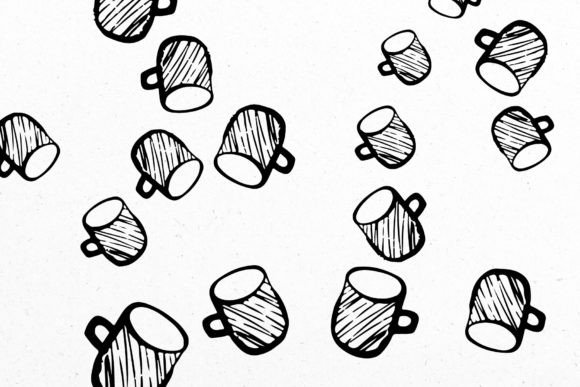
The Mugs design brings a casual, cozy vibe to any project. It's a versatile set of graphics featuring mugs in various styles—some minimalist with simple outlines, others more detailed with shading and texture. The theme feels approachable and homey, which makes it a good fit for gifts, lifestyle products, and branding materials. Each design has a clean layout, so they’re not overwhelming. However, the level of detail varies, which means some will work better in certain applications than others.
I especially appreciate the way the mugs are arranged. They look like they were designed with placement in mind, whether as a standalone motif or part of a larger composition. The visual personality leans toward everyday charm, making them ideal for personalized gifts, handmade products, or even small shop merchandise where a touch of warmth matters.
Real-Life Applications: Where Mugs Shines
Let me walk through a few scenarios where the Mugs design could add value:
- Tote Bag Embroidery: The bold outline versions stitch well on cotton canvas tote bags. They make great tote bag designs for coffee lovers or gift shops.
- Sweatshirt Embroidery: On a soft French terry sweatshirt, the flat-fill mug designs look clean and modern without overwhelming the fabric.
- Baby Clothes & Nursery Decor: A simpler mug graphic with gentle curves can be embroidered on a onesie or pillow cover for a sweet, personal touch in baby embroidery.
- Holiday Gifts: During the festive season, adding a mug graphic with holiday text (like “Merry Coffee”) can elevate a custom apron or tea towel into a thoughtful holiday embroidery item.
- Embroidered Patches: Some of the more intricate mug files can be used for embroidered patches, though I’d recommend testing them on scrap fabric first due to potential stitch density issues.
- Commercial Embroidery: While the designs aren’t overly complex, they can still be used in commercial embroidery projects for cafes, boutique branding, or small batch runs if the details align with your brand’s aesthetic.
In each case, the design adds a subtle yet recognizable element. It’s not flashy, but it tells a story—something that appeals to customers looking for meaningful, relatable items.
Where Caution Is Advised
Despite its charm, the Mugs design isn't a one-size-fits-all solution. Here are some situations where I’d advise careful consideration:
- Small Hoop Sizes: If you're working within tight hoop constraints, some of the more detailed mug files may need resizing or simplification. Always check hoop size compatibility before finalizing a project.
- Textured or Stretchy Fabrics: The fine lines and delicate features might get lost or distorted on fabrics like flannel or stretch knits. For these surfaces, opt for bolder outlines or test using a stabilizer.
- Dark Fabric Backgrounds: Thread color contrast is key. The default thread colors included in the digital package may not show up well on darker backgrounds. Consider tweaking the palette or using metallic threads for visibility.
- Products That Need Frequent Washing: Dense stitch areas in the mug designs could lead to pilling or distortion over time. Use them on items that won’t endure heavy wear unless you reinforce the area with proper backing.
- Curved Surfaces: Stitching on caps or curved hats may cause the design to warp slightly. Be sure to preview the shape and adjust accordingly.
Design Impact: How Mugs Enhances Your Embroidery Projects
When it comes to visual appeal, the Mugs design hits a sweet spot. It’s not too playful, not too serious—just enough character to stand out while remaining professional. This balance is important for craft businesses aiming to build customer trust and brand consistency.
Stitch clarity is another factor. In most cases, the design maintains its form, especially when using satin stitch or fill stitch. However, the more detailed files require attention to stitch density to avoid puckering or pulling. Using a quality stabilizer is essential here, particularly for lightweight or stretchy fabrics.
As a digital embroidery file, it integrates smoothly into many software platforms. The SVG format allows for scalability, which is great for creating variations across different product sizes. Still, since no specific machine compatibility or license terms are mentioned, always verify those before selling finished goods or digital assets.
Designer Notes: Making the Most of Mugs
Here are my top tips for using the Mugs design effectively:
- Test on Scrap Fabric: Before committing to a client project or production run, stitch the design onto a similar material to evaluate its performance.
- Adjust Thread Colors: Don’t rely solely on the provided thread palette. Customize based on your fabric and desired outcome, especially for dark or light backgrounds.
- Inspect Small Details: Check for tiny elements like handles or steam lines. These may need adjustment depending on your machine’s capabilities and the fabric type.
- Use Proper Stabilizer: Especially for thin or stretchy materials, a tear-away or cut-away stabilizer can help maintain the integrity of the design.
- Consider Licensing: Since this is a freebie, ensure you have permission to use it in commercial settings. Some free designs come with restrictions, so double-check before listing on Etsy or other marketplaces.
Final Thoughts on Mugs for Real-World Use
The Mugs design is a solid addition to your embroidery toolkit, especially if you're targeting lifestyle-oriented products or personalized gifts. It’s not going to wow with technical complexity, but that’s not what it’s for. Its strength lies in simplicity and versatility—qualities that are often overlooked in favor of flashier options.
For hobbyists and small shop product creators, it’s perfect for quick turnaround projects or adding a familiar, friendly motif to your offerings. For professionals, it can serve as a base for more customized designs or be paired with other design assets to create a cohesive collection.
Ultimately, the Mugs design proves that sometimes less is more. With the right application and adjustments, it can enhance your handmade presentation, improve product value, and even boost buyer engagement by tapping into a universally loved theme—coffee culture.